Local planning context
Portable Restroom Planning in Boston
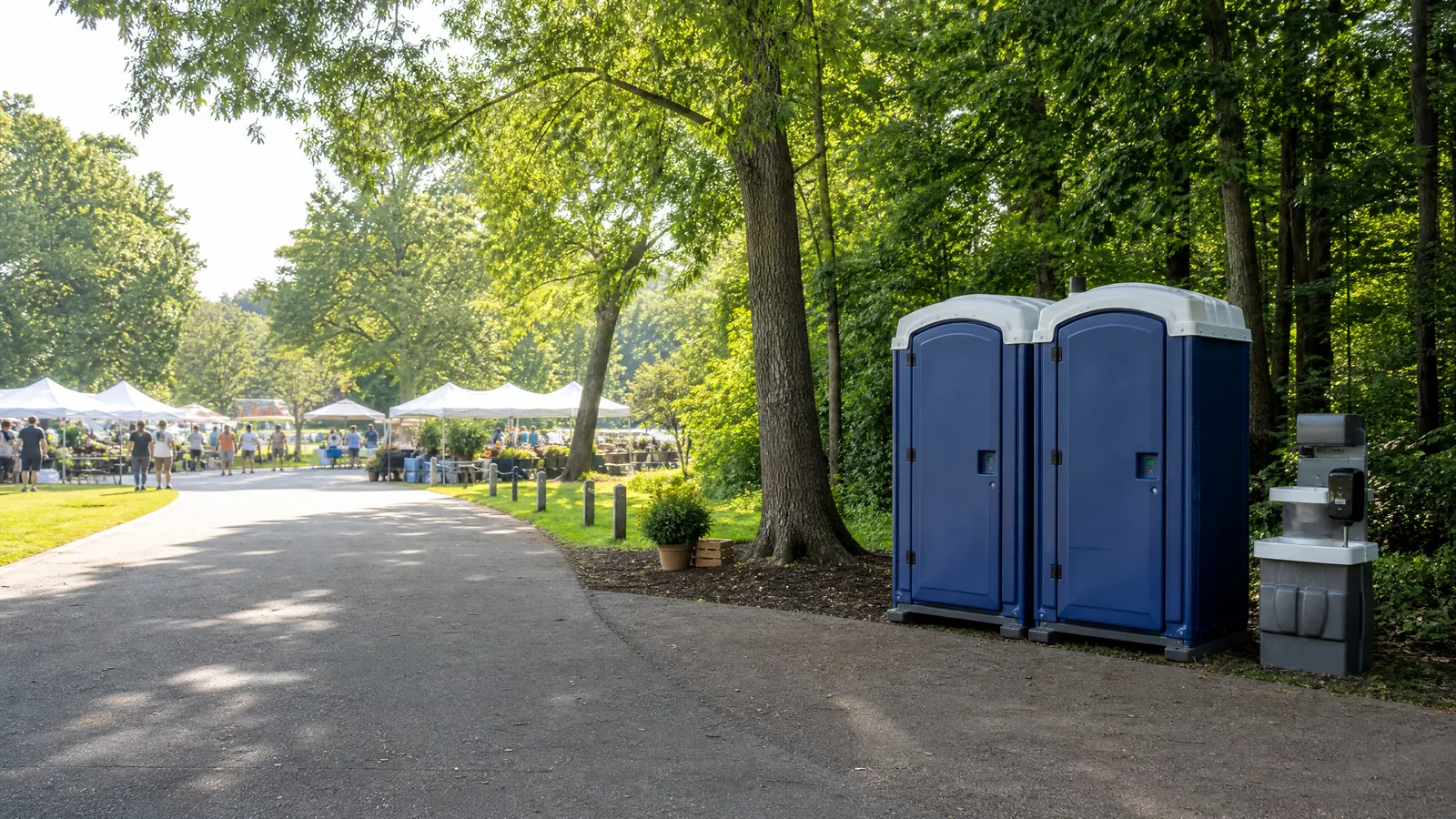
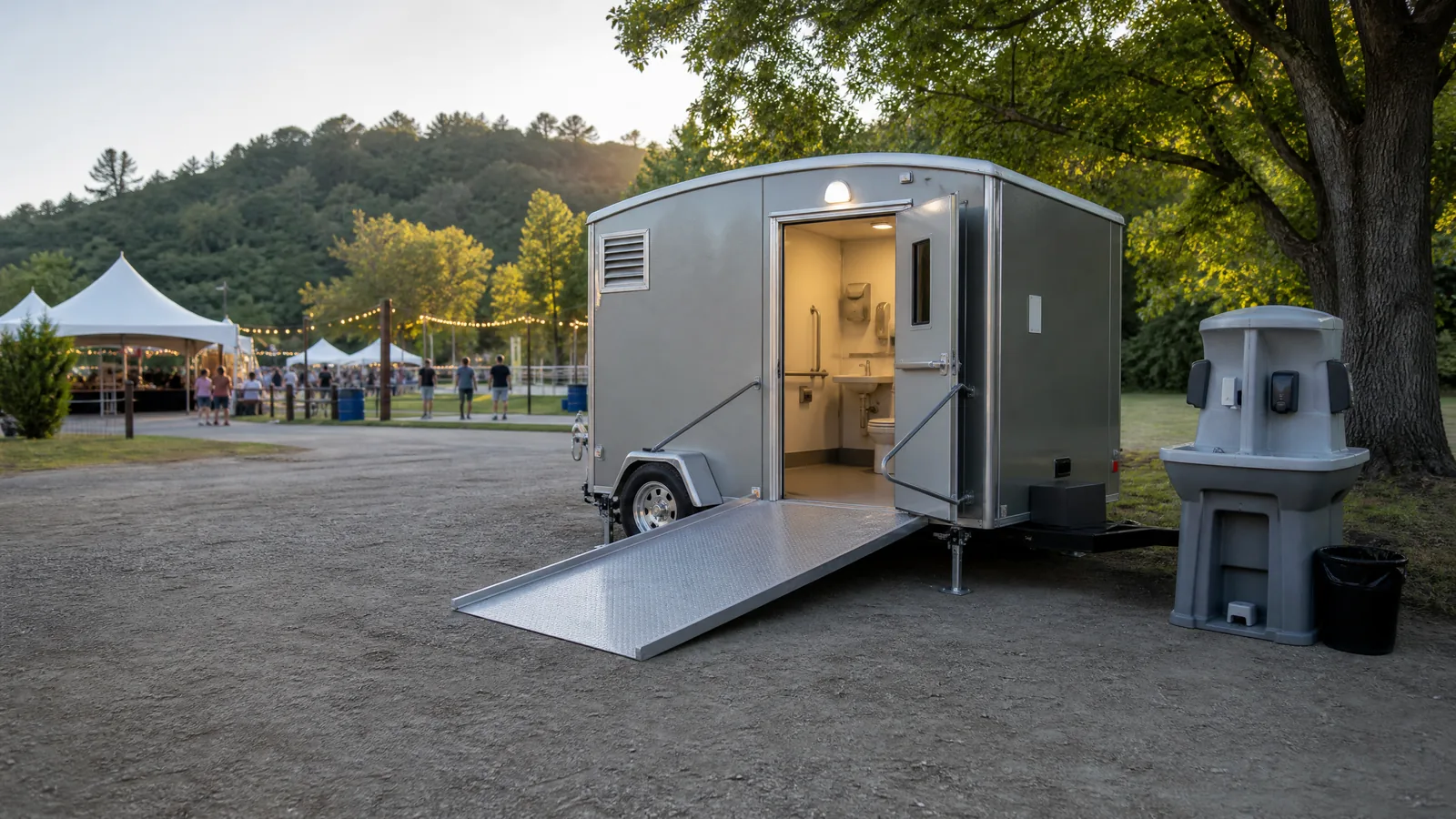
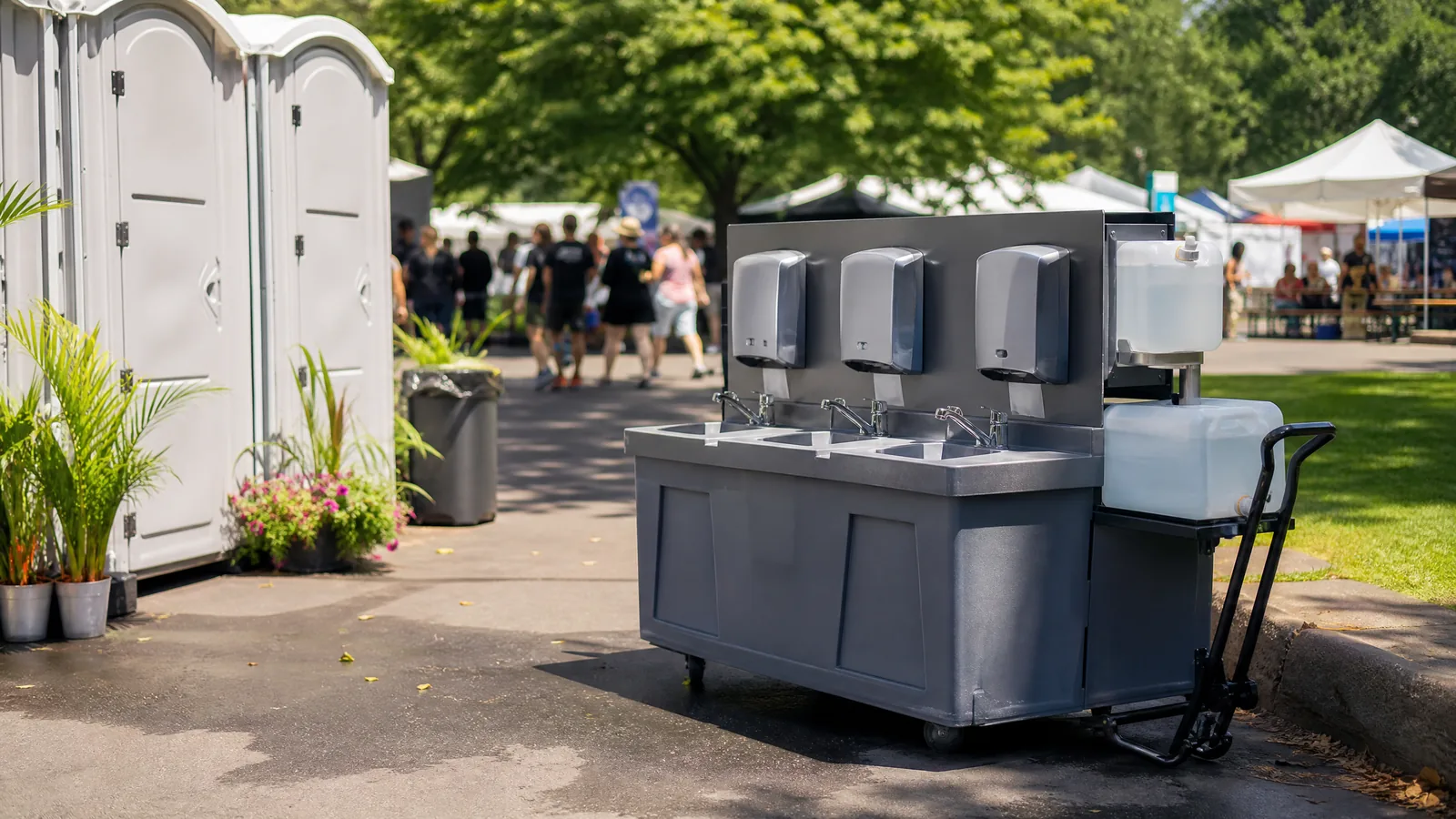
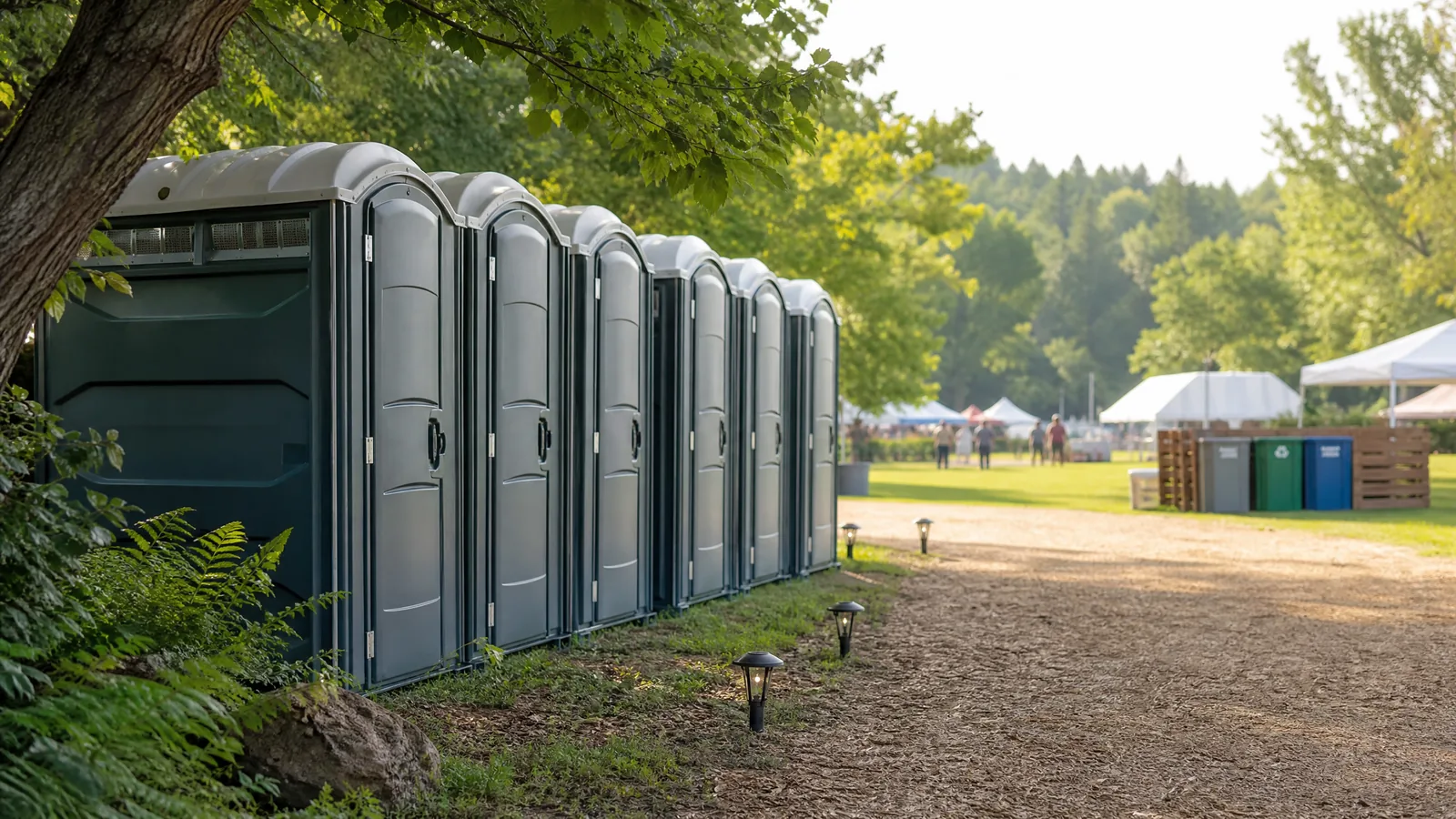
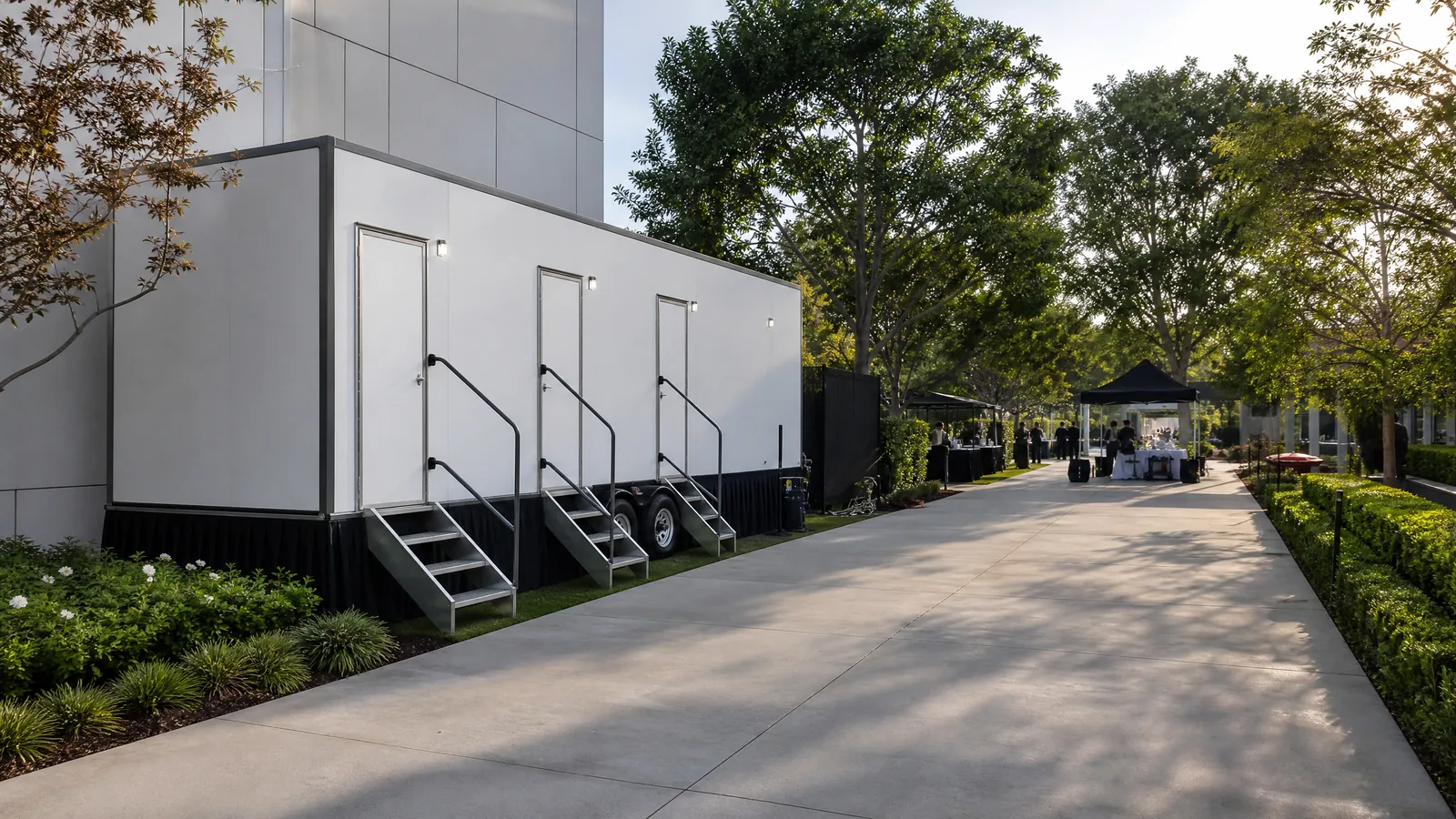
Boston’s parks host concerts, festivals, arts workshops, movie nights, family activities, and other outdoor gatherings. Event layouts may include lawns, tent footprints, food service, performance areas, and several arrival patterns. Place facilities where guests can find them without crossing a food queue, service lane, or narrow pedestrian route. If children, older adults, or guests with mobility needs are expected, make the approach easy to identify and as level and unobstructed as the site allows.
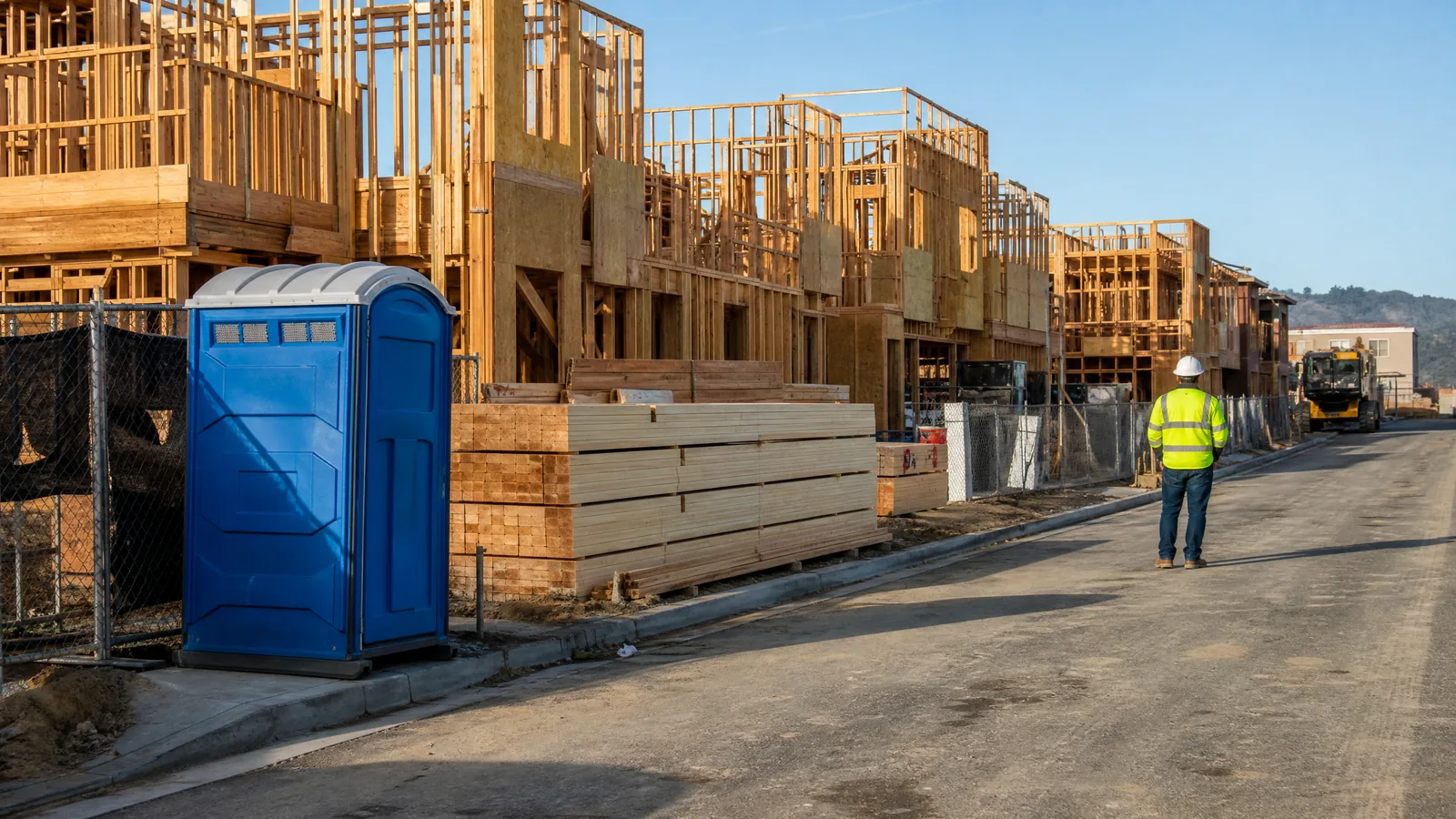
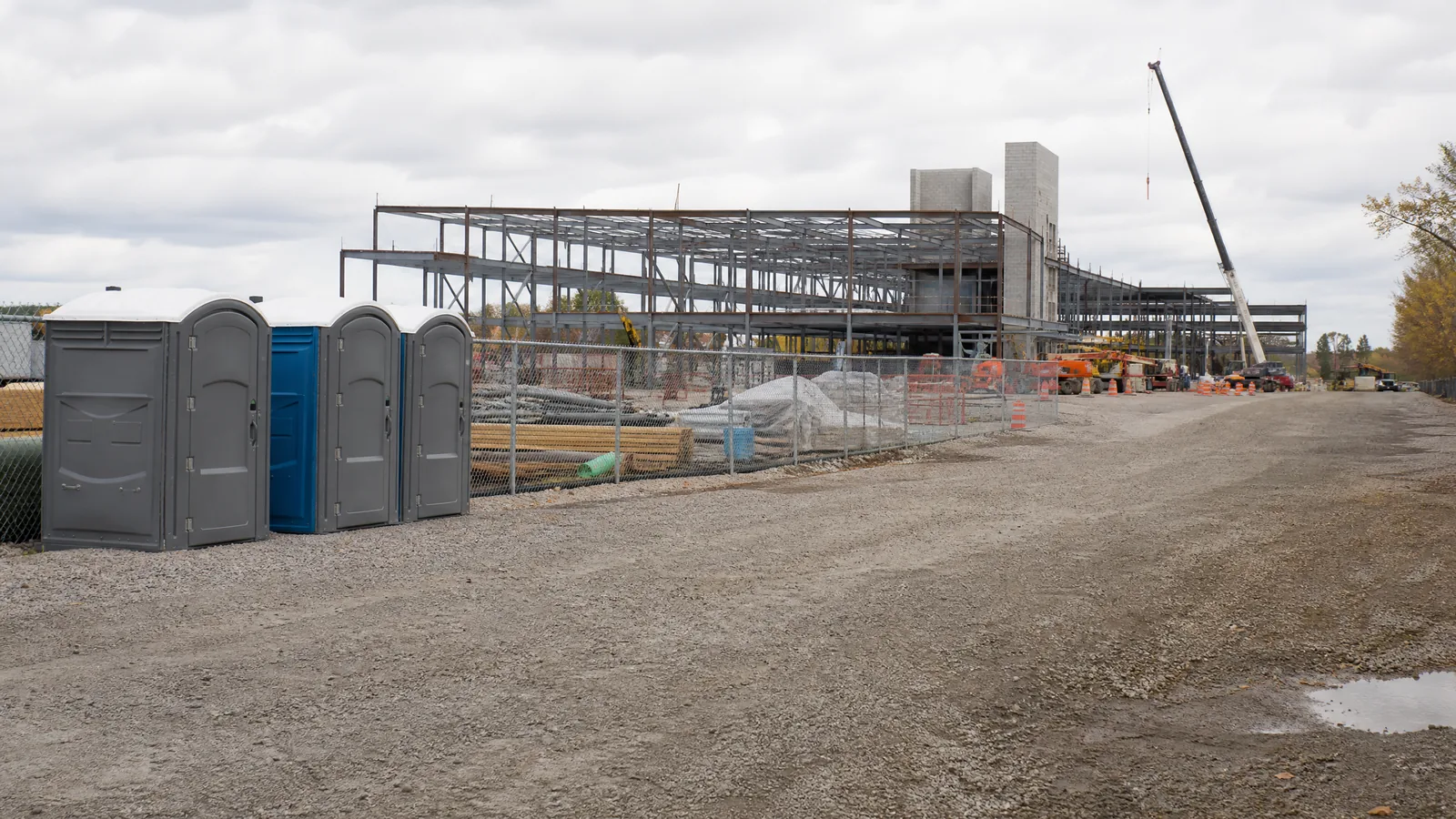
Boston construction and maintenance work can involve dense urban conditions, changing work zones, and complicated access around public ways. Review the active work area, worker entrance, break area, fencing, staging, and service approach before selecting a location. Keep temporary facilities out of equipment paths and account for changes during each project phase; the site manager should also confirm the applicable project and safety requirements.
Weather and ground conditions deserve a specific review. Use the current forecast for the event or work period rather than relying on a fixed seasonal assumption, and inspect grade, drainage, and pedestrian access when rain, wind, snow, or standing water may affect the site. Waterfront or low-lying settings and areas with heavy foot traffic may need extra attention to a stable approach and usable circulation.